Skip to content
MountNemo Door SpecialistsOpen 24/7 (289) 203-0726
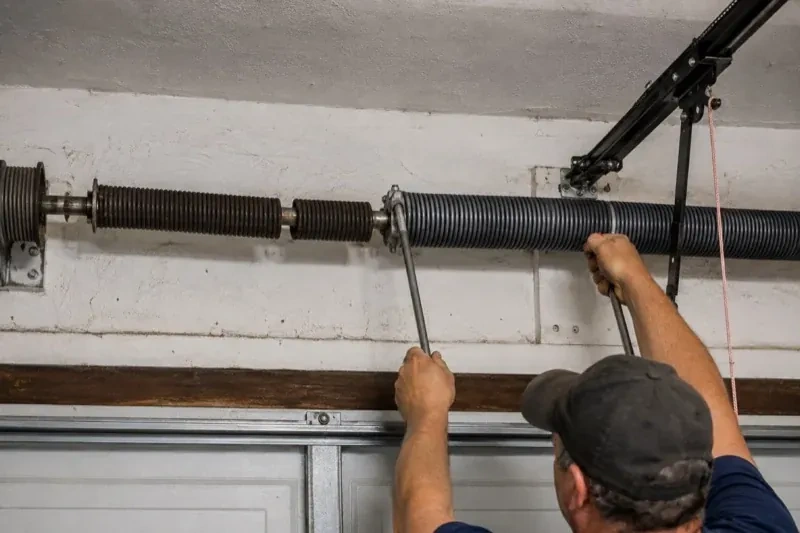
Person holding metal bars beside exposed coiled springs above a garage door. — Torsion Spring Replacement, University Gardens

Springs · University Gardens

Torsion Spring Replacement

The door drops the last stretch to the floor rather than settling, and when you stop it halfway by hand it slides down instead of staying put. Balance has drifted, and the spring is no longer holding its share of the weight.

In plain words

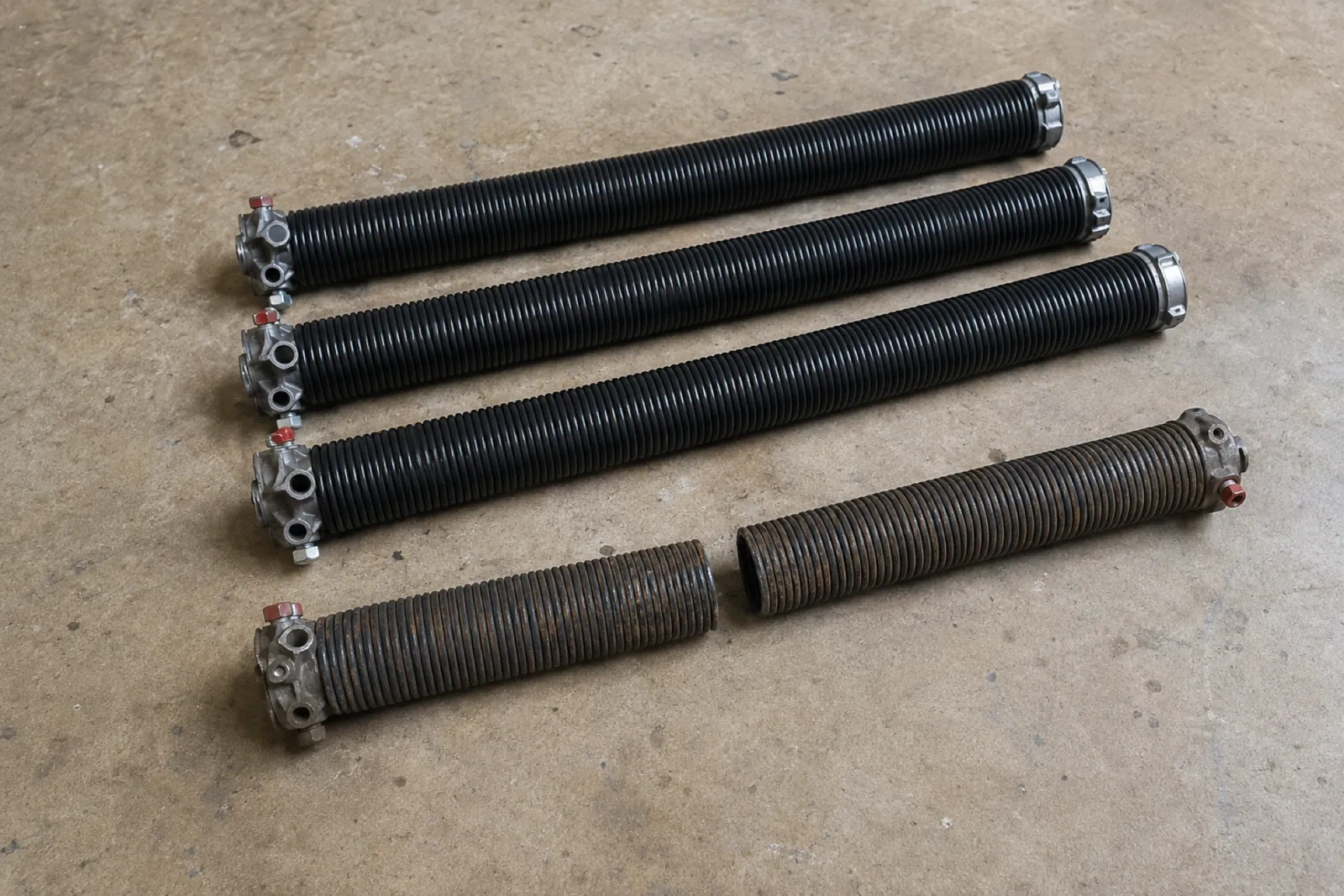
The heart of this service is matching, not just swapping. Two springs can look identical and behave very differently, because the force a torsion spring produces depends on its wire thickness, inside diameter, length and wind direction, and the right combination depends on the door's weight, height, drum type and track lift. The technician measures all of those before choosing a spring, then confirms the choice the only way that counts: lifting the finished door by hand and feeling it stay put at waist height. A properly matched spring lasts longer and keeps the opener working easily.

Sound familiar?University Gardens

The call
On a cold morning the remote does nothing useful: the light comes on, the motor turns briefly, the door stays shut. There may be a fresh crack in a rusty coil, and flakes of orange on the floor below the shaft.
NextHow the visit goes

Torsion Spring Replacement · University Gardens

How the visit goes

Four long coiled garage-door springs on a concrete floor, three black with metal end cones and one rusty spring broken in two. — University Gardens
  1. Scene 1

    Checking what the spring anchors to

    A torsion spring pushes against a centre bracket bolted to the header above the door, and that anchor takes the full reaction force every cycle. The technician checks that the bracket is fastened into solid framing with proper lag bolts, that the header wood has not split or softened with moisture, and that the end bearing plates on each side are square and tight to the jamb. Loose or corroded fasteners are noted for replacement. A sound anchor keeps the shaft level and the spring pulling straight, which protects both the new spring and the bearings that carry it.

  2. Scene 2

    Winding with control

    Winding is where a spring takes on its working tension, and it is done with two solid steel bars sized to the holes in the winding cone. The technician stands to the side of the cone, inserts one bar, turns a quarter turn, inserts the second bar, and transfers the load from bar to bar so the spring is never held by less than a full bar. The number of quarter turns is counted against the door height and drum type. When the count is reached, the spring is stretched slightly toward the drum and the set screws are tightened to the shaft while the last bar still carries the load.

  3. Scene 3

    Relief for the opener

    Your opener benefits as much as the door. With the spring carrying the weight again, the motor, gear drive, trolley and rail return to the light duty they were designed for, which tends to mean a longer working life and less noise. Force settings have been reset to suit a balanced door, so the safety reversal reacts to a genuine obstruction rather than to a heavy door. Once a year, repeat the simple reversal test by placing a length of wood flat on the floor in the door's path and confirming the door reverses on contact. The opener's photo-eye sensors deserve a wipe at the same time.

In the van

  • End bearing plates
  • Wire gauge and tape measure
  • Torsion springs, oil-tempered or galvanized
  • Locking pliers for the track
  • Socket set and wrenches

What shapes the quoteMount Nemo Door Specialists

Drum type and lift configuration
Standard-lift drums are the common case. High-lift, vertical-lift or low-headroom arrangements use different drums, cable lengths and turn counts, which changes the parts and the time involved.
One spring or two
A single-spring door needs one spring; a paired system is usually replaced as a matched set of left- and right-wound springs. The number of springs and whether both are replaced is the largest single influence on the scope.
Spring specification
The wire size, inside diameter and length that the door's weight and height demand determine which spring is fitted. Larger doors take larger springs, and unusual combinations may need specially wound coils.

FeesSame any hour

Have it ready

Before you call · 0 / 3

(289) 203-0726

Answers in plain language

Can I keep using the opener until the technician arrives?

The kindest thing for the door is to leave it where it is and use another entrance. An opener is designed to move a door the springs have already made light; asking it to lift a full-weight door strains the trolley and gear drive and can crease the top section. Keeping the door still and clear of people until the spring is replaced protects the rest of the system from extra repairs.

Why is my door sitting crooked since the spring broke?

On a two-spring door, one intact spring keeps pulling on its side while the broken side goes slack, so the door lifts unevenly and a cable can jump its drum. The technician levels the door, reseats the cables in their drum grooves and evens the tension after the new spring is fitted. Rollers and track are checked for damage from the crooked travel so the door runs square again.

Why does the door need to be balanced, and how is that tested?

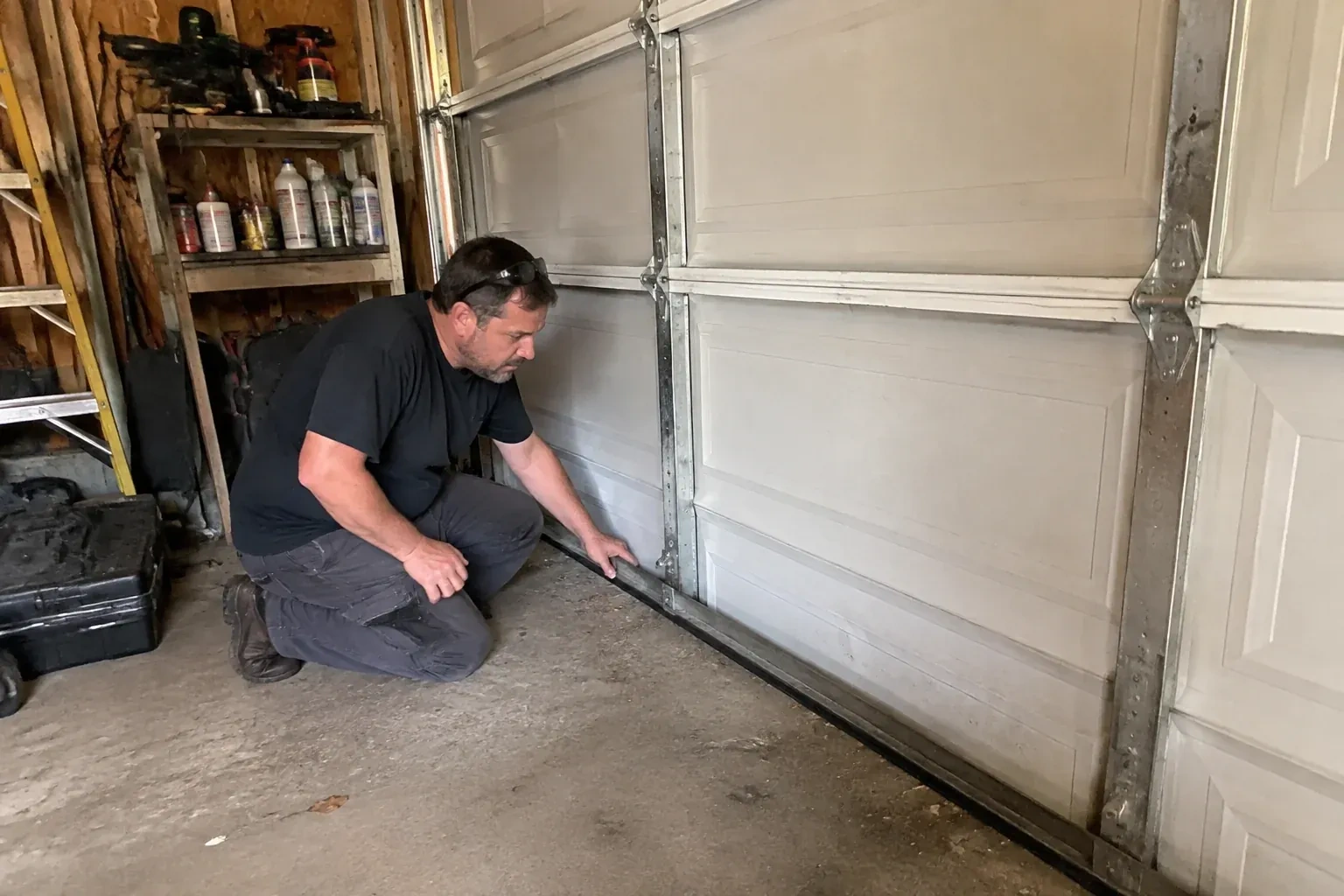
Balance means the spring is holding almost exactly the door's weight, so the door neither flies up nor slams down and the opener only guides it. It is tested by releasing the opener, lifting the door to about waist height and letting go: a balanced door stays there. The technician fine-tunes in quarter turns of the spring until the door holds at several heights and travels evenly on both sides.

University Gardensinformation

HamiltonOntario

Town
University Gardens, Hamilton
In business
12 years
Hours
Open 24/7
Nights, weekends and holidays, same fees
Visits
On-site assessment preferred. Request a visit or call.

2021 census: what it means at the door

Every square is one home in a hundred.

  • 61 in 100 homes · older homes
  • About 61% of homes in Hamilton were built in 1980 or earlier, according to the 2021 Census.Wood door frames in an older house settle and swell over the decades, which can leave a door rubbing on one side. Rather than forcing the opener, the technician trues the tracks, adjusts the jamb seals and sets the door so it travels freely again.
  • Single-detached houses make up about 56% of homes in Hamilton (2021 Census).In mixed neighbourhoods, noise matters differently from one address to the next. A detached house with a bedroom above the garage and a townhouse with a neighbour through the wall both benefit from a belt-drive opener and nylon rollers, and we explain the difference either way.

Source: Statistics Canada, Census Profile

Open University Gardens in Google Maps

On-site assessment

Request a visit.

The door drops the last stretch to the floor rather than settling, and when you stop it halfway by hand it slides down instead of staying put.

(289) 203-0726, open 24/7.