Sound familiar?Hopkins Survey
- The call
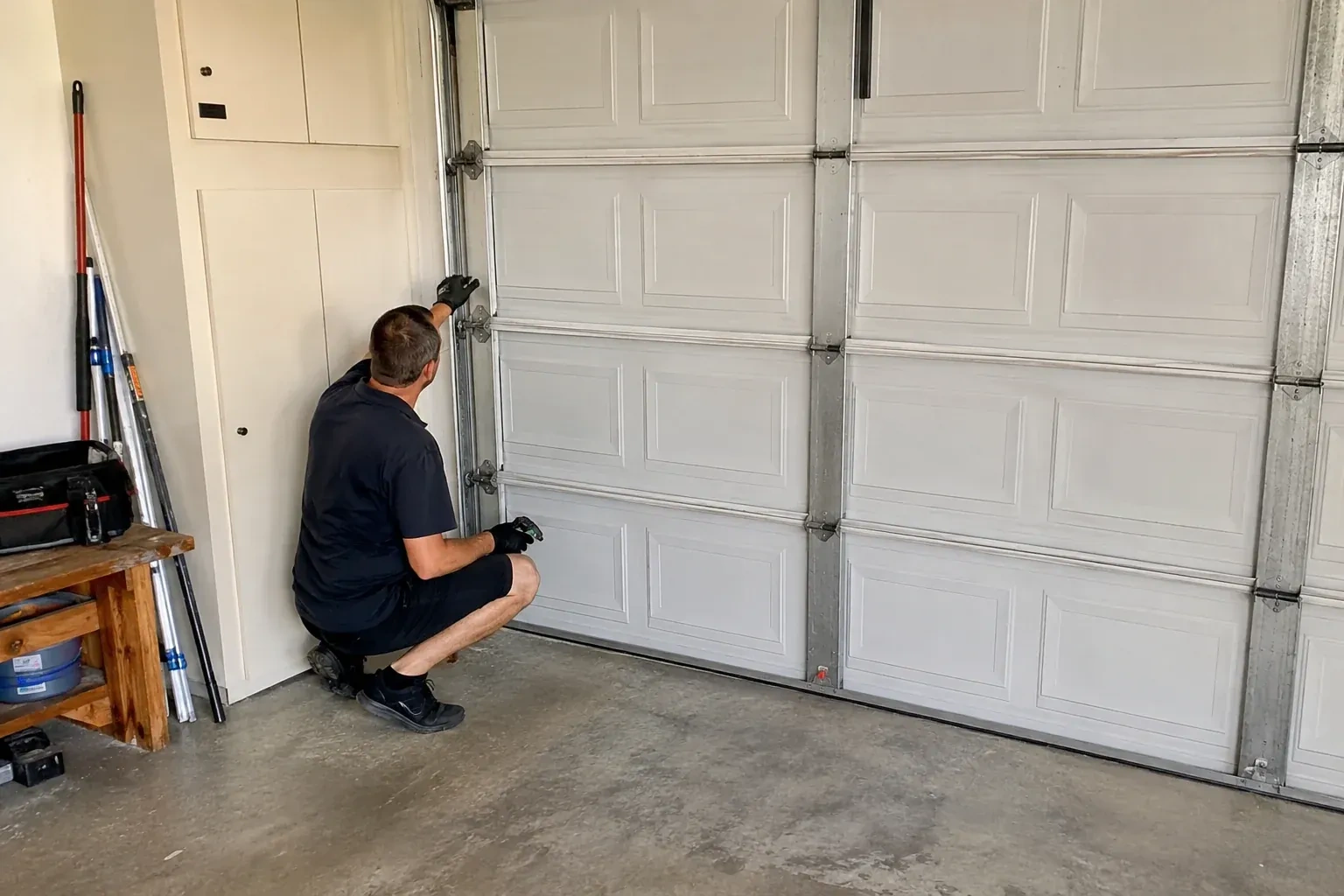
- A length of weatherstrip along the right jamb has pulled away, nails and all, and it slaps against the trim every time the wind picks up. The wood behind it is dark and soft where it meets the floor.
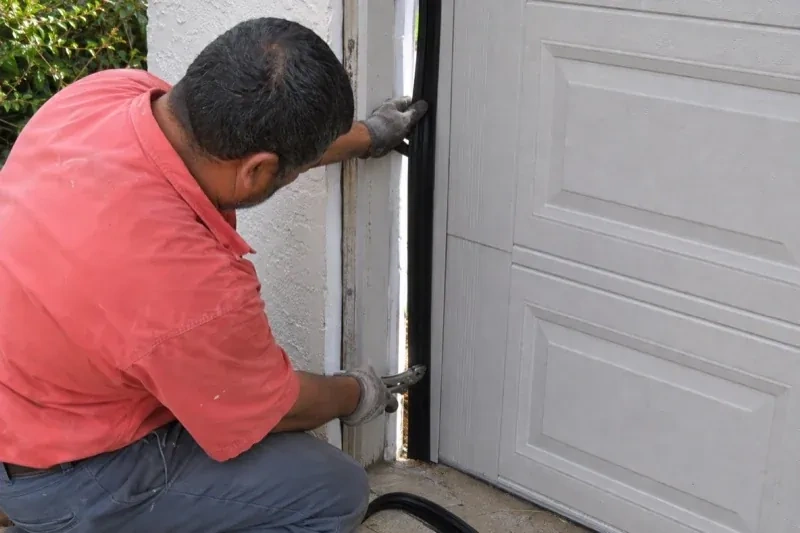
The new door went in last year and looks perfect, but the old wooden stop and its tired seal were left in place. Along the top there is a gap you could slide a finger into, and the cold pours through it.
The skill in this job is in the position of the fin. It should touch the door with a small, even deflection, so that it seals when the door is closed and springs clear as the door lifts. Set too far off, it leaves a standing gap; pushed too hard, it drags, folds under and tears within a season. The header piece goes on first, fastened from the centre outward so it stays straight, and the sides are fitted tight beneath it so the fins overlap at the corners. Fasteners are spaced evenly in sound wood, and any joint where water could get behind the stop is caulked.
Sound familiar?Hopkins Survey
Garage Door Perimeter Weatherstrip · Hopkins Survey
Scene 1
Openings carry different seals depending on their age and who last worked on them. Many older garages have a painted wood stop with a flexible vinyl fin nailed to its face. Newer installations often have a one-piece vinyl stop with the fin moulded in. Some commercial and premium doors use an aluminum retainer with a slide-in rubber insert, or a brush seal. The technician identifies which is present, whether the rigid part is sound enough to keep, and what the fastening was, because that decides whether a new fin goes onto the existing stop or the whole stop is replaced.
Scene 2
Fasteners are chosen for the weather they will live in: galvanized or stainless trim nails, exterior screws where the stop is heavy or the wood is hard, and weatherproof staples only for a light fin on sound wood. They are spaced evenly so the strip stays straight between them, and a nail set is used so the heads sit flush without crushing the vinyl. In cold weather the lengths are kept warm in the van until the moment they are fitted, because cold vinyl is brittle and splits at the ends. Fasteners near the end of each piece go in a little further back for the same reason.
Scene 3
The simplest care is a glance four times a year. Close the door, switch off the lights and look along both sides and the header for daylight. Then step outside and check that no length has lifted, that the corners are still tucked together and that the fin is still soft when you press it with a thumb. Cracks, a hard grey surface or a piece that has shrunk back from the door are the early signs. Manufacturers suggest wiping the seal down with a damp cloth a few times a year, and that also lets you feel any change in it.
What shapes the quoteMount Nemo Door Specialists
FeesSame any hour
Wipe the fin with a silicone spray or a silicone lubricant on a cloth in late autumn and once or twice through the winter. The film cuts the odds of meltwater bonding the fin to the cold door face, though a hard freeze can still catch it. Avoid oil-based products, which soften vinyl. If the door does freeze to the seal, let the sun or a little warm water free it, dry the spot afterwards, and avoid forcing the opener.
The bottom seal is a rubber or vinyl strip fixed to the lower edge of the door itself and presses against the floor. Perimeter weatherstrip is fixed to the frame, running up both jambs and across the header, and the closed door presses against it from inside. They wear differently and are replaced separately, though it is common to renew both in one visit when each is showing its age.
It closes one of their favourite routes. Mice enter at the open corners where the header and side seals meet and along a fin that has shrunk back from the door, so a continuous, overlapped seal removes those gaps. It works alongside a sound bottom seal, a swept threshold and attention to any other openings in the garage wall, and a technician will point out any of those noticed during the visit.
HamiltonOntario
Garage Door Perimeter Weatherstrip · Hamilton, Buchanan, Central, Chedoke Park, Cootes Paradise, Corktown, Hamilton Beach, Hopkins Court, McDonald Court, North End, University Gardens, Waterdown, West Hamilton, Westdale, Pleasant View Survey
Every square is one home in a hundred.
On-site assessment
The new door went in last year and looks perfect, but the old wooden stop and its tired seal were left in place.
(289) 203-0726, open 24/7.
On-site assessment preferred · (289) 203-0726, open 24/7